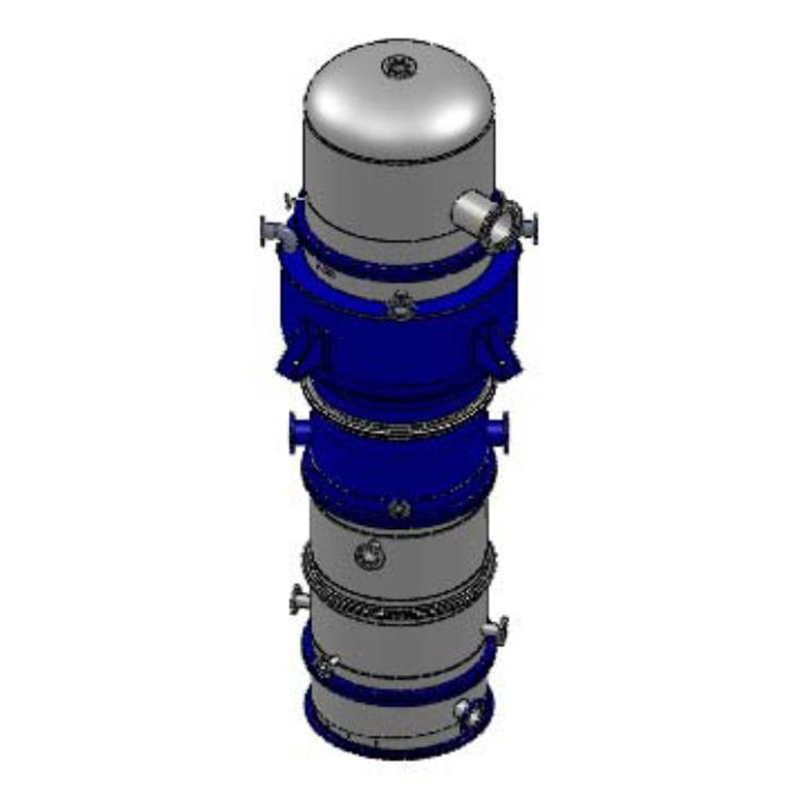

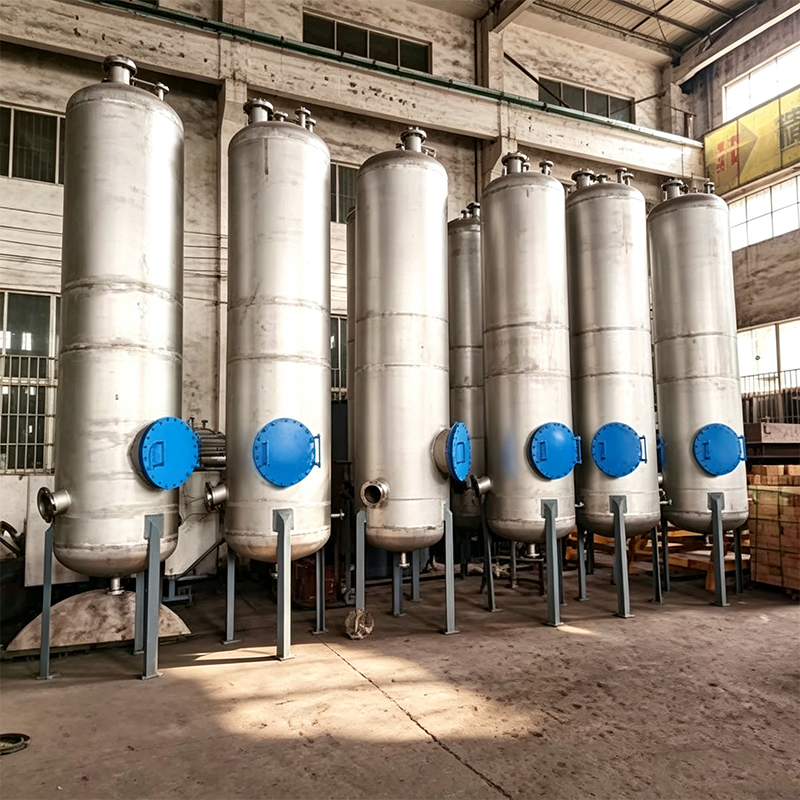
Reaction boiler
Product Description In broad terms, a resin heating kettle is a stainless steel tank in which physical or chemical reactions take place. Due to the design of the tank and configuration of parameters, the required technological...
Description
marker
Product Description
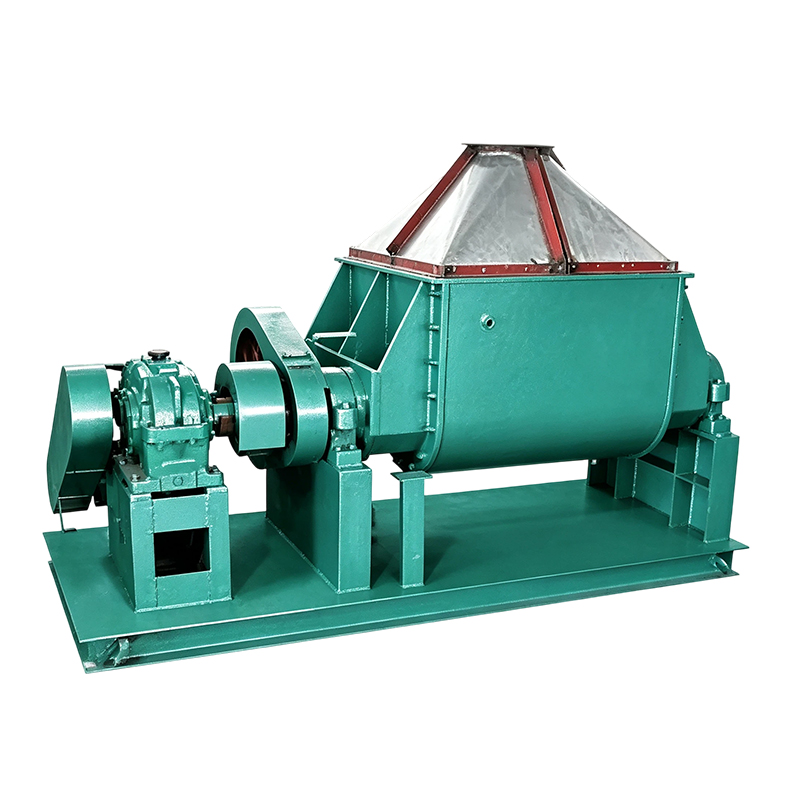
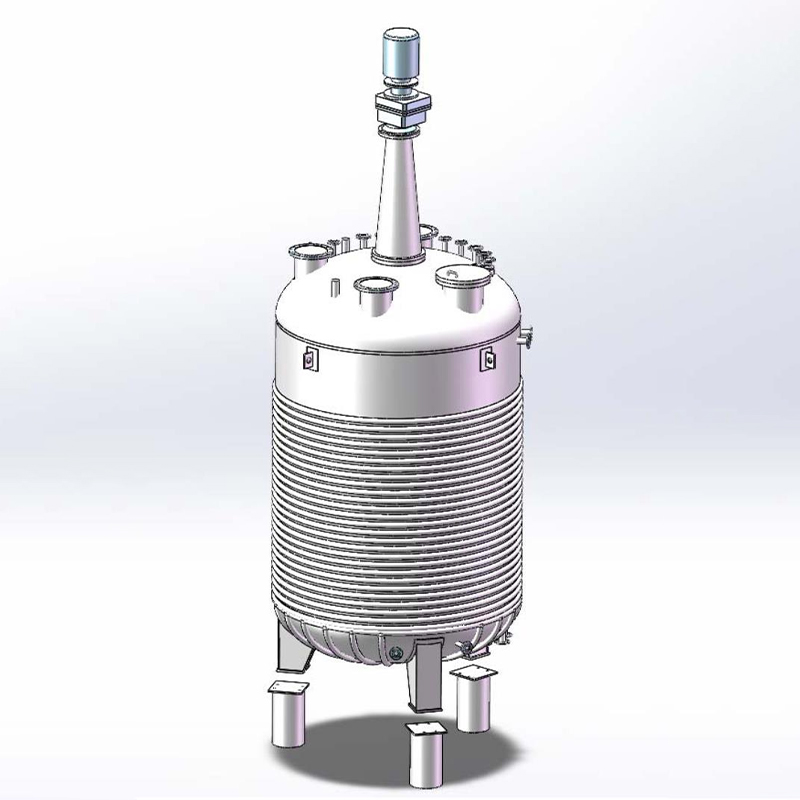
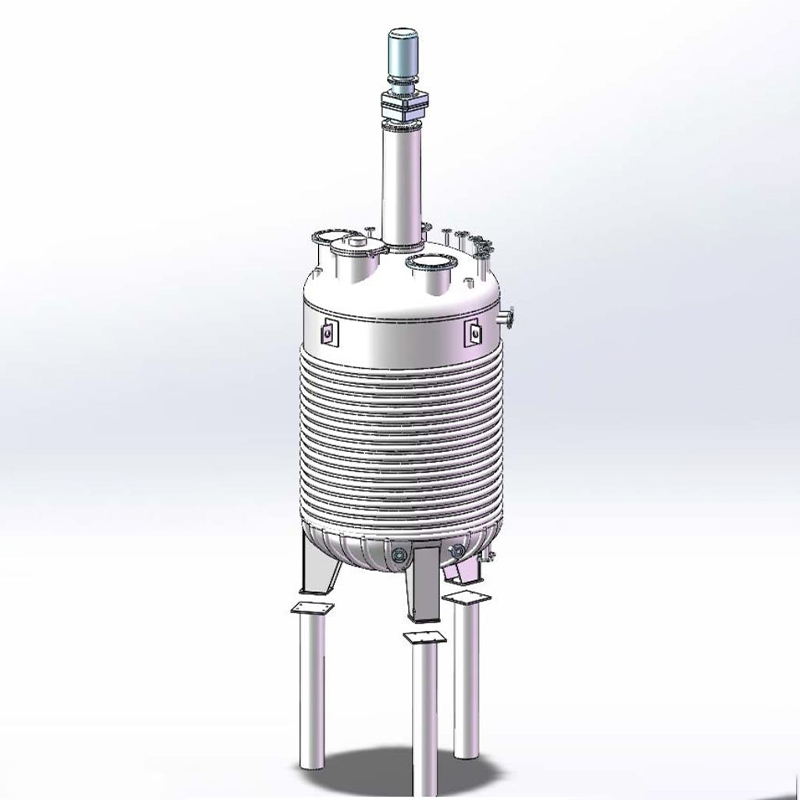
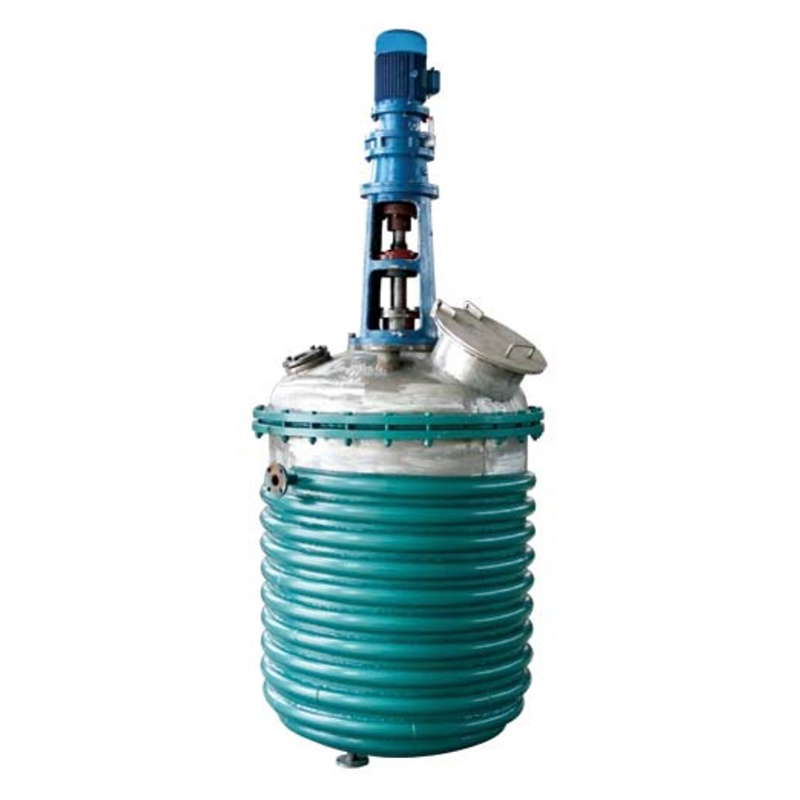
In broad terms, a resin heating kettle is a stainless steel vessel in which physical or chemical reactions take place. Due to the design of the tank and the configuration of parameters, the required technological functions of heating, evaporation, cooling, as well as mixing and heating at low or high speed are provided. This equipment can be used in the food industry, dairy industry, beverage industry, liquor industry, traditional Chinese medicine industry and chemical industry. At the top of the tank there is a material supply pipe, a washing hole, a hatch and a ventilation hole; The outlet pipe is located at the bottom of the tank. The gearbox is made according to a cycloidal design; Case material: SUS304 stainless steel with polished surface and matte finish on the outer surface.

Technical Parameters
| Name | Outdoor coil | Housing | |||
| Working pressure, MPa | 0.07 | atmospheric | |||
| Design pressure, MPa | 0.09 | atmospheric | |||
| Operating temperature, ℃ | 143 | 60–110 | |||
| Design temperature, ℃ | 145 | 127 | |||
| Material | carbon steel | 304 | |||
| Diameter | Φ89 | Φ1700 | |||
| Wednesday | steam or hot water | material | |||
| Volume | 1000 l | ||||
| Gearbox | BLD3-3-23 | ||||
| Engine power and model | 3 kW-4 | ||||
| Mixing speed, rpm | 63 | ||||
| Heat transfer area | internal coil | 8.29 m² | outdoor coil | 8,664 m² | |
Equipment design and operating principle
Equipment structure: The heating tank consists of a coil, body, bottom, stirring system and driving system. The drive system consists of: 1 - electric motor, 2 - cycloidal gearbox, 3 - coupling, 4 - frame, 8 - mechanical seal system and mixing shaft. The mixing system consists of: 12 - mixing shaft, 13 - stirrer blades. The mixing form is determined in accordance with customer requirements and material characteristics (this equipment uses a combination of two inclined straight blades and a frame mixer). Heating is carried out indirectly using a coil; Typically, hot water, steam or thermal oil are used.
1. Simple operation and rational design.
2. Stable operation of the mixing system, few dead zones, easy cleaning.

Technological connections
As shown in the figure, the process connections for the resin heating tank are:
① — negative pressure connection pipe. When loading material, a fan is turned on, creating a slight vacuum in the tank so that the smell of the material does not spread into the workshop and improves the working environment.
② - sight glass for monitoring the condition of the material in the tank.
③ - pipe for installing a temperature measuring device to determine the internal temperature.
④ — material inlet pipe.
⑤ — steam pipe of the outer coil.
⑥—steam condensate outlet.
⑦ — outlet. The finished mixed resin is discharged from opening ⑦ into the mixing machine.

Installation and commissioning
1. During installation, it is necessary to ensure that the installation is horizontal and the mixing shaft is well vertical.
2. The mixing system must be installed firmly, without loosening the fasteners.
3. The mechanical seal must be installed correctly; It should be handled with care as the sealing surface is fragile.
4. After installing the equipment in place, the support legs should be adjusted; it is necessary that all four legs are tightly pressed, bear the load evenly and are fixed.
5. In sections of process pipelines where liquid moves by gravity, it is necessary to observe the sequence and provide for a certain level difference in order to avoid liquid retention in the pipes.
6. Operators must undergo training before being allowed to work. (See the job description for details.)
7. Before starting, it is necessary to conduct a leak test by filling with water.
8. The height of the material in the housing should not be too high, optimally - about 3/4 of the height of the housing.
9. Reverse rotation of the electric motor and prolonged idling are prohibited.
10. Before putting into operation, the equipment must be cleaned; When stopping equipment or changing material, cleaning must also be done.
11. The equipment must be grounded to prevent electric shock.
Amino plastic production line
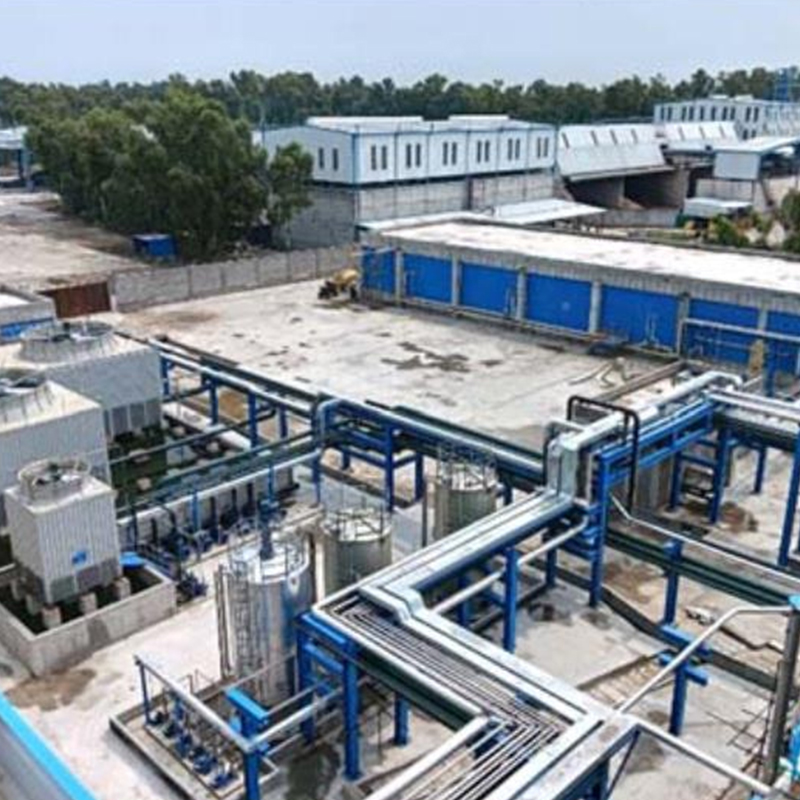
Amino resins include three main categories: urea-formaldehyde electrical powder (UF/A1), melamine powder (MF/A5) and tableware finishing powder. Complete production lines are equipped with the entire technological cycle: resin synthesis → dosing and mixing → drying → crushing and grinding → sifting and dust removal → packaging of finished products. Standardized series with a capacity of 10/20/30 tons per day are offered, as well as individual non-standard design for an annual capacity of 3000–10000 tons.

contact us
Related Popular Products
Drying oven with mesh belt
Product Description The mesh conveyor drying ovens produced by our company...
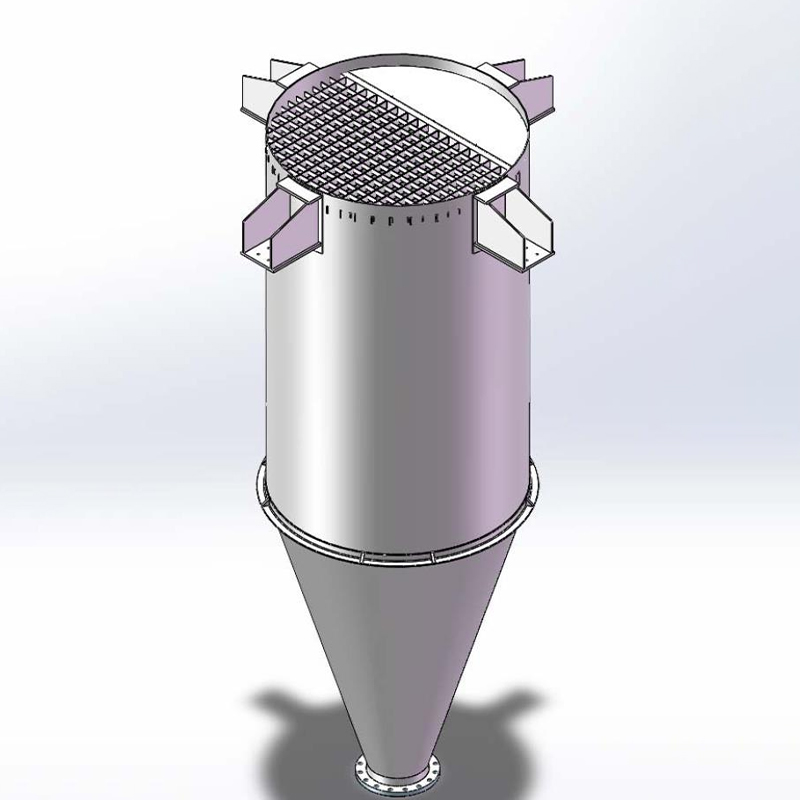
Conical hopper with extended body
Product Description This conical hopper with an extended body is a...
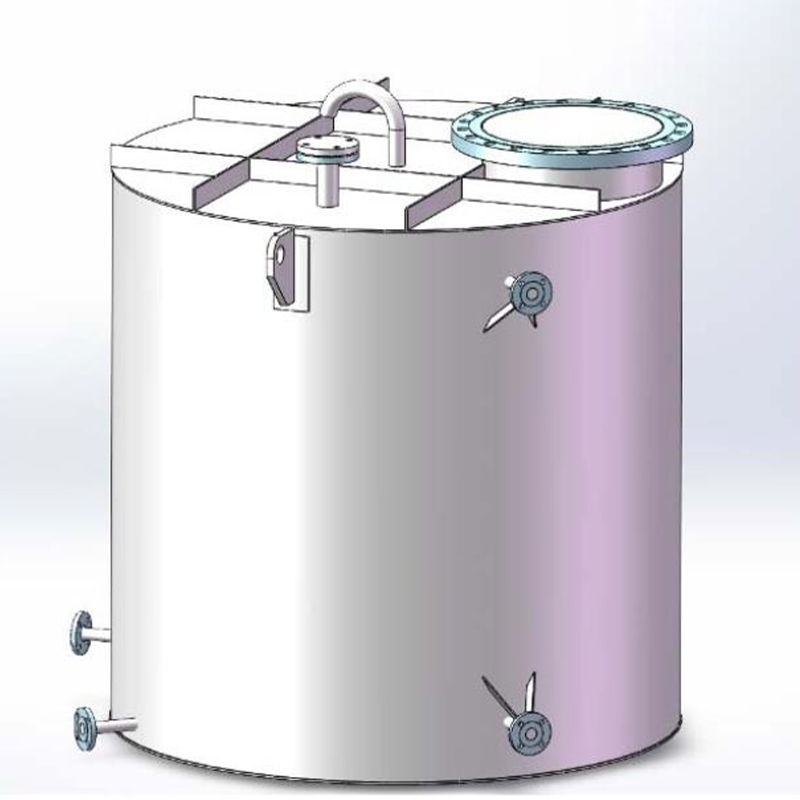
Atmospheric type vertical measuring tank
Product Description The atmospheric type vertical measuring tank is...
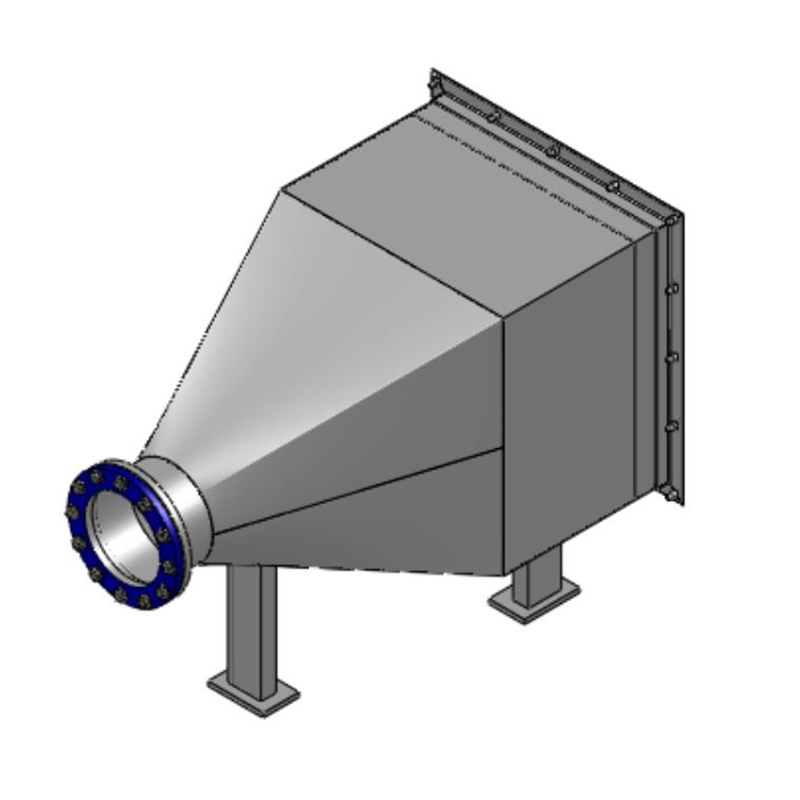
Air filter
Product Description The air filter is made of a box-shaped design with a conical...
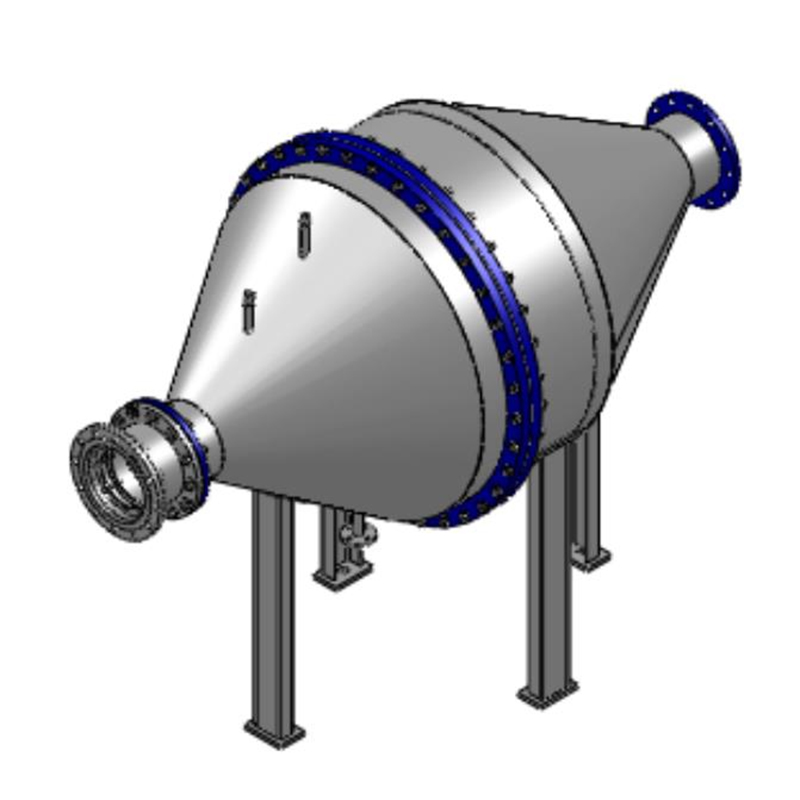
Four gas mixer
Product Description The four-gas mixer is made using a conical vortex design...
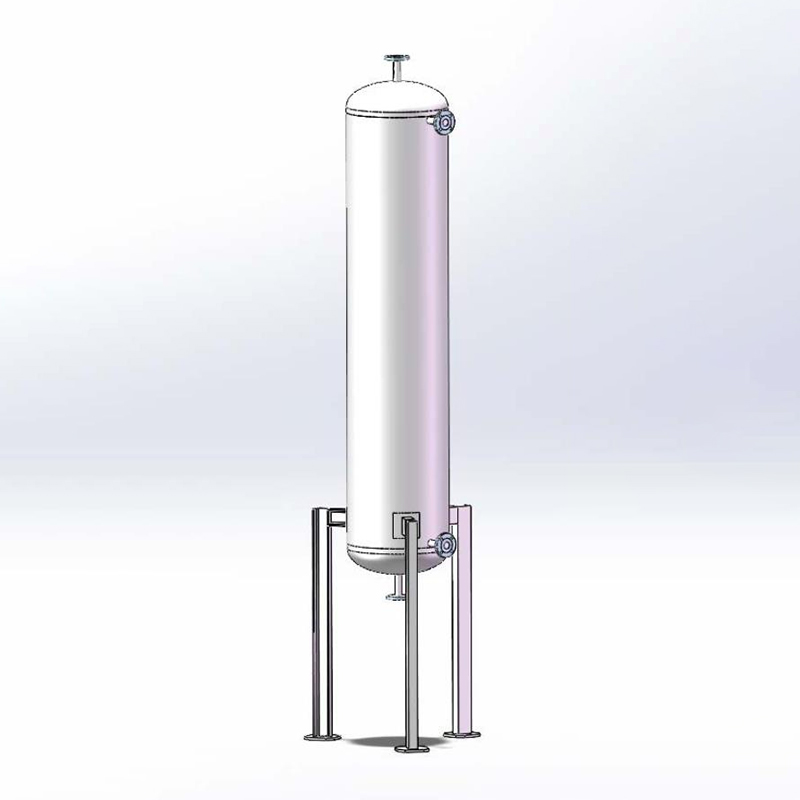
Vertical small tank for acid and alkaline reagents
Product Description Vertical Small Tank for Acid and Alkaline Reagents...
Steam distribution manifold
Product Description Steam distribution manifold, also called steam...
Resin filter
Product Description The resin filter is a precision purification equipment...