

Ball mill
Product Description Water jacket ball mill is a specialized fine grinding equipment for processing dry powder materials in batch production. The user determines the duration of one processing operation depending on the...
Description
marker
Product Description
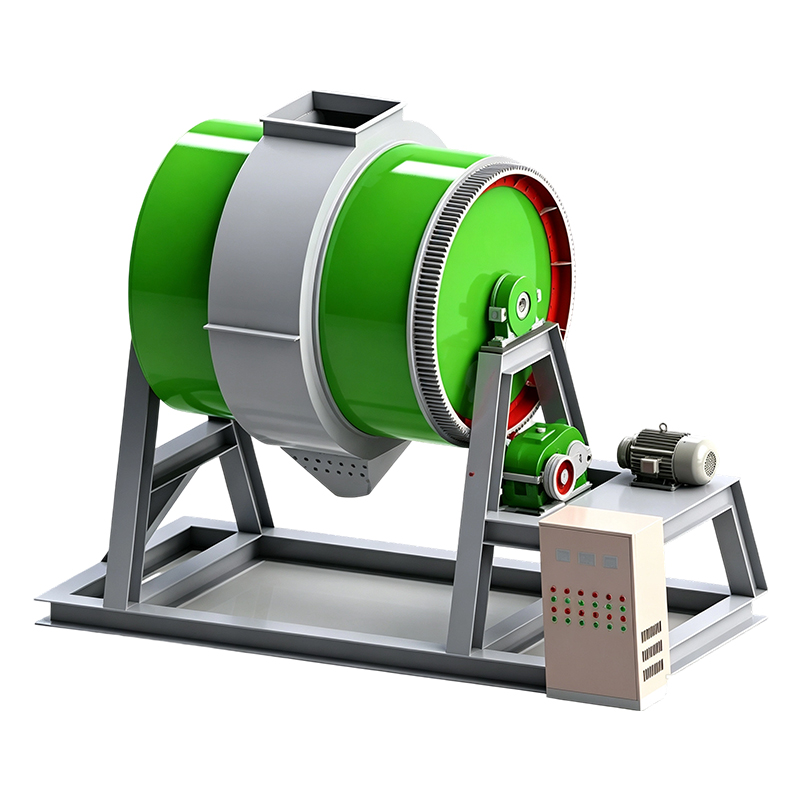
The water jacket ball mill is a specialized fine grinding equipment for processing dry powder materials in batch production. The user determines the duration of one processing operation depending on the density, microscopic shape and hardness of the raw material in order to uniformly achieve the grinding fineness required by the customer. At the same time, other auxiliary materials can penetrate into the powder particles and coat them, providing the required technological properties of the product. From the point of view of cost, model selection and performance, the equipment is quite optimal.

Advantages of a water jacketed ball mill: First of all, it should be noted that ball mills are now extremely widely used in the industrial powder field all over the world. This is because among fine grinding equipment, ball mill is widely used due to its simple process, large capacity, low capital investment and no pollution. Therefore, when processing dry powder using a water-jacketed ball mill, the heat generated during processing inside the drum is transferred to the steel body and removed by water; Usually the water temperature difference is 3–5 degrees. Even when processing high-hardness raw materials, the maximum difference in water temperature reaches 8–10 degrees.
Currently, China's industry is developing rapidly; In the chemical industry, biochemical industry, production of high-quality coatings, resins, pharmaceutical and other industries, a ball mill with a water jacket is used for processing dry powders and packaging them, which is quite the optimal equipment for processing powdered materials.
Technical Parameters
| Model | WH-Φ2040×2200 |
| Load capacity | 1.5 t/time |
| Material to ball ratio | 1:1.3–1.8 |
| Drum volume (after ceramic lining) | 6.4 m³ |
| Drum speed | 0–22 rpm |
| Engine power | 37 kW |
| Water jacket height | 50 mm |
| Cooling water pressure | 0.1–0.25 MPa |
| Gear form, gear | m=14, z=22, z=145 |
| Top cover material | 304 stainless steel |
| Bearing model | 53538 |
| Gearbox model | ZLY224 (gear ratio 1:6.3) |
| Gearbox lubricating oil | 220 high speed gear oil |
| Weight of one machine (with ceramic lining) | 8 t (when equipped with a 3 t frame) |
| Dimensions | 3200×2200 (mm) |
| Optimal cooling water temperature | 20°–25° |
| Rotating joints | left DN40, right DN40 |
| Ratio of ceramic balls (2.2t) | 40:50:60 = 2:4:4 |
| Ceramic lined mass (including frame and motor) | 5.3 t (2.7 t) |

Design and operating principle
A water-jacketed ball mill consists of a drum, gearbox, electric motor and other components. The drum consists of a hollow shaft, end water chambers, reinforcing ribs, water guide channels, sealing ring plates and a drum body. The rotation of the drum is carried out due to the engagement of the small gear on the output shaft of the gear reducer with the large gear. Overall the drive system is not complex; a complete set of equipment is installed on a solid frame; Double-row self-aligning roller bearings are used on the rotating ends of the shaft.
The operating principle of a ball mill is not complicated. When rotating, the ceramic balls along with the powder rise to a certain height above the center (the specific height depends on the rotation speed). Under the influence of gravity, a cascading slide down occurs, impact and friction occur between the ceramic balls and the powder, as a result of which a certain amount of heat is released. This heat is dissipated by the cooling water through the water jacket to prevent the powder from overheating in the drum, causing it to harden and deteriorate the flow of the material. The discharge opening of the machine is equipped with three covers (loading cover, grinding cover and unloading cover), which are respectively used in the three stages of the grinding process: loading, grinding and powder sifting.
Amino plastic production line
Amino resins include three main categories: urea-formaldehyde electrical powder (UF/A1), melamine powder (MF/A5) and tableware finishing powder. Complete production lines are equipped with the entire technological cycle: resin synthesis → dosing and mixing → drying → crushing and grinding → sifting and dust removal → packaging of finished products. Standardized series with a capacity of 10/20/30 tons per day are offered, as well as individual non-standard design for an annual capacity of 3000–10000 tons.

contact us
Related Popular Products
Reaction boiler
Product Description In a broad sense, the resin heating reaction kettle is...
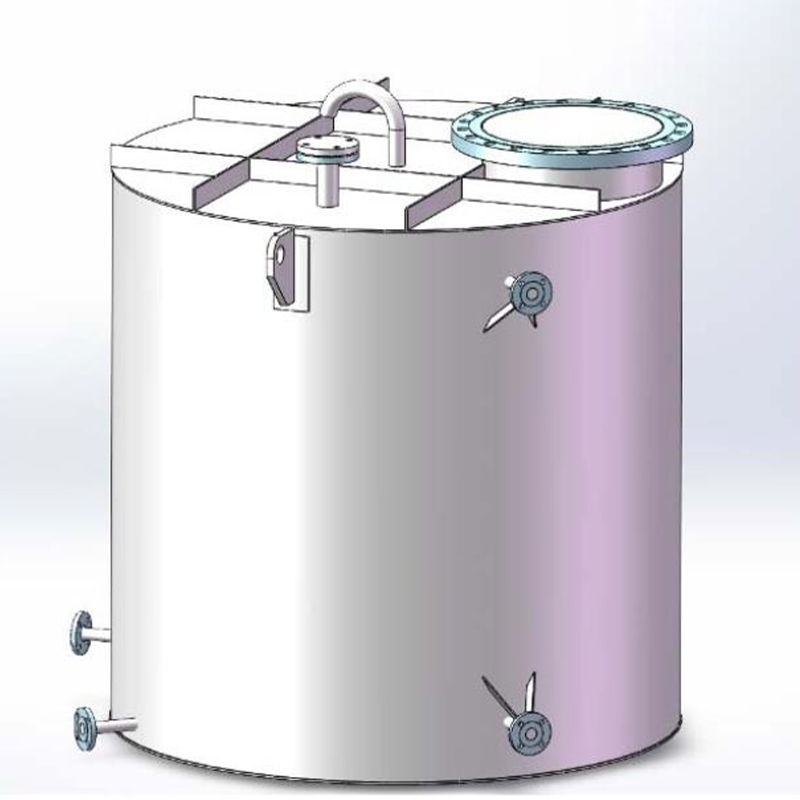
Atmospheric type vertical measuring tank
Product Description The atmospheric type vertical measuring tank is...
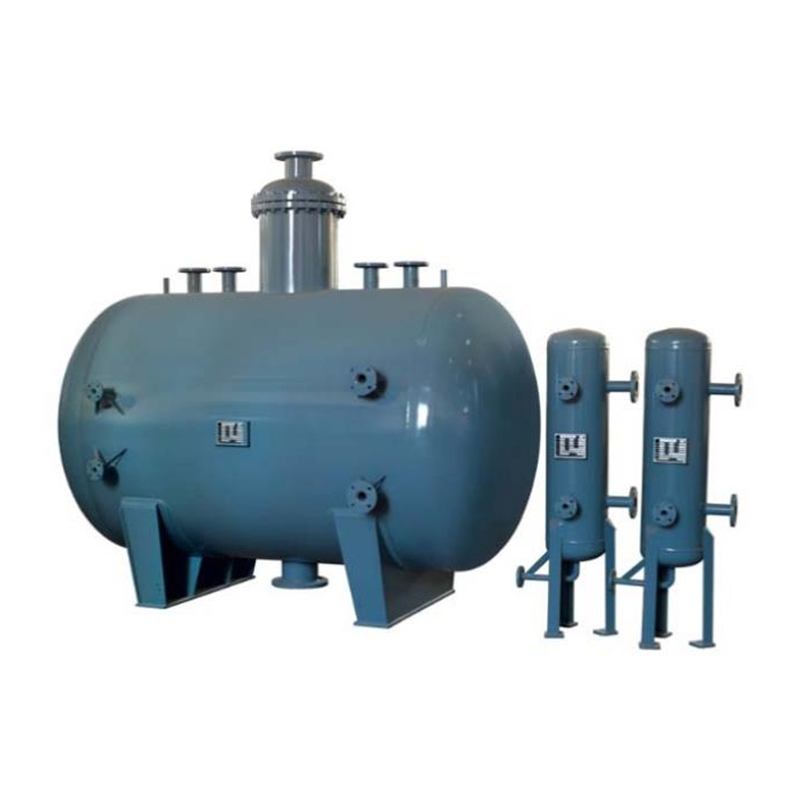
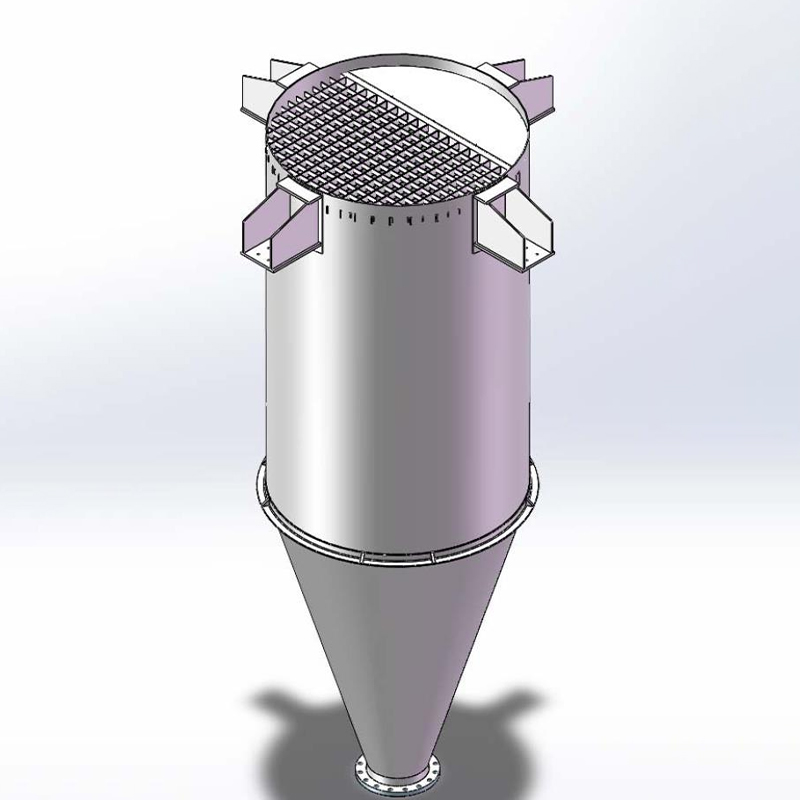
Conical hopper with extended body
Product Description This conical hopper with an extended body is a...
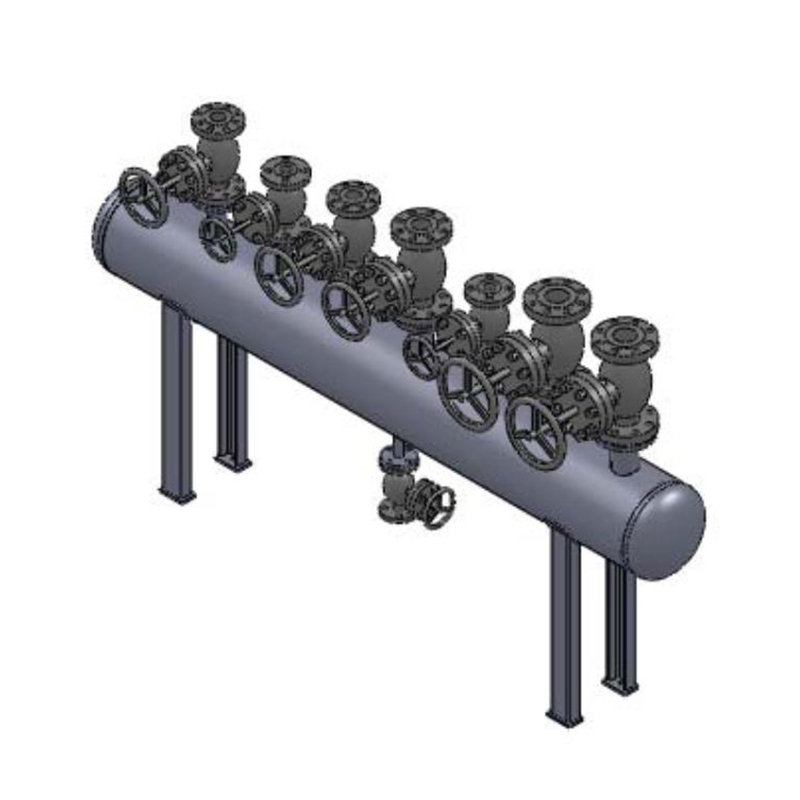
Steam distribution manifold
Product Description Steam distribution manifold, also called steam...
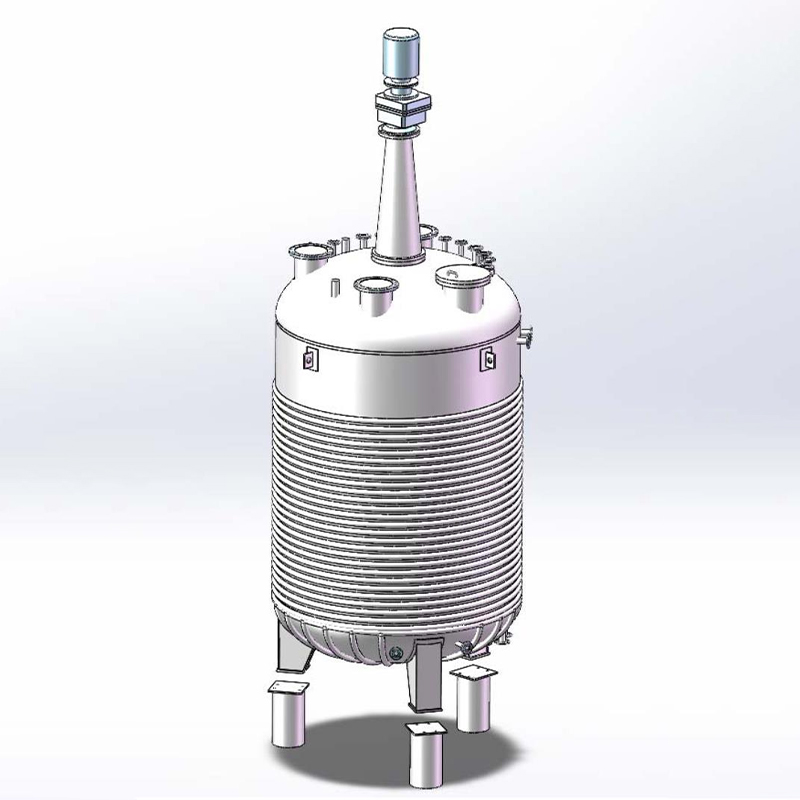
Reaction boiler with external coil
Product Description The external coil reaction boiler is a...
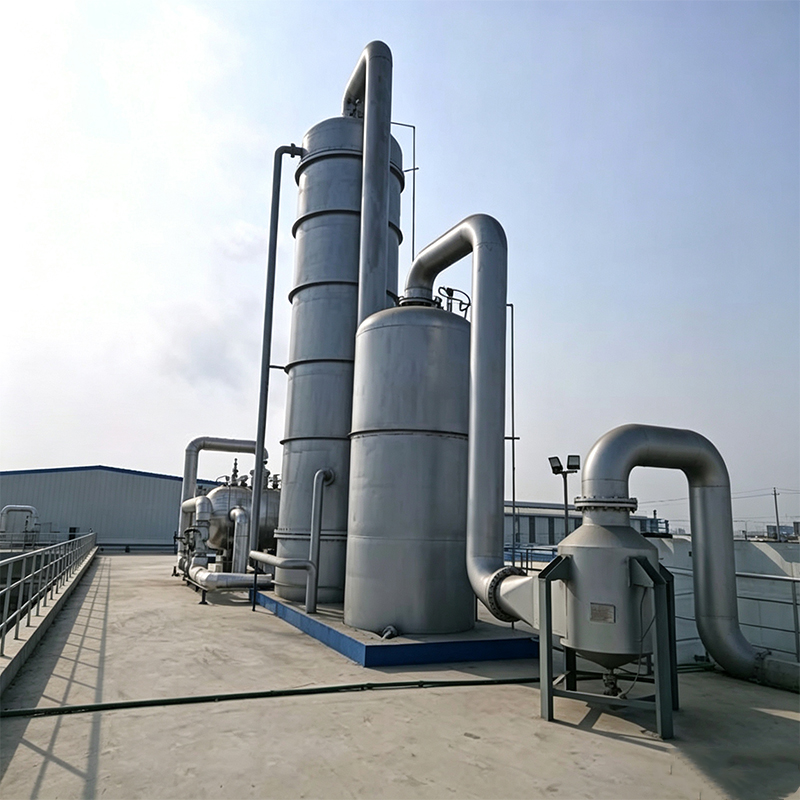
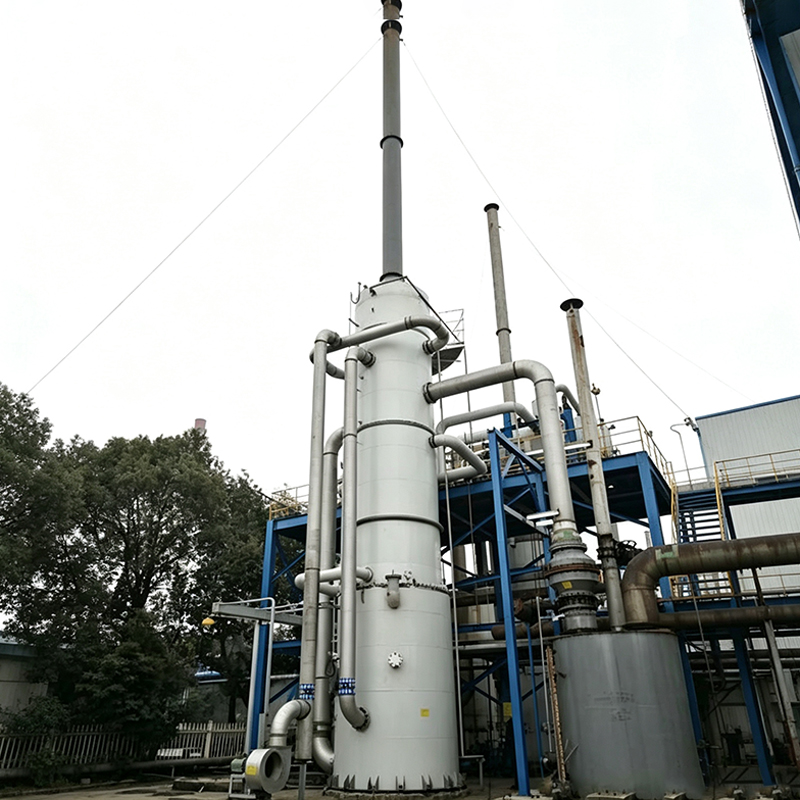
Tail gas treatment plant
Product Description The tail gas treatment plant is a vertical...
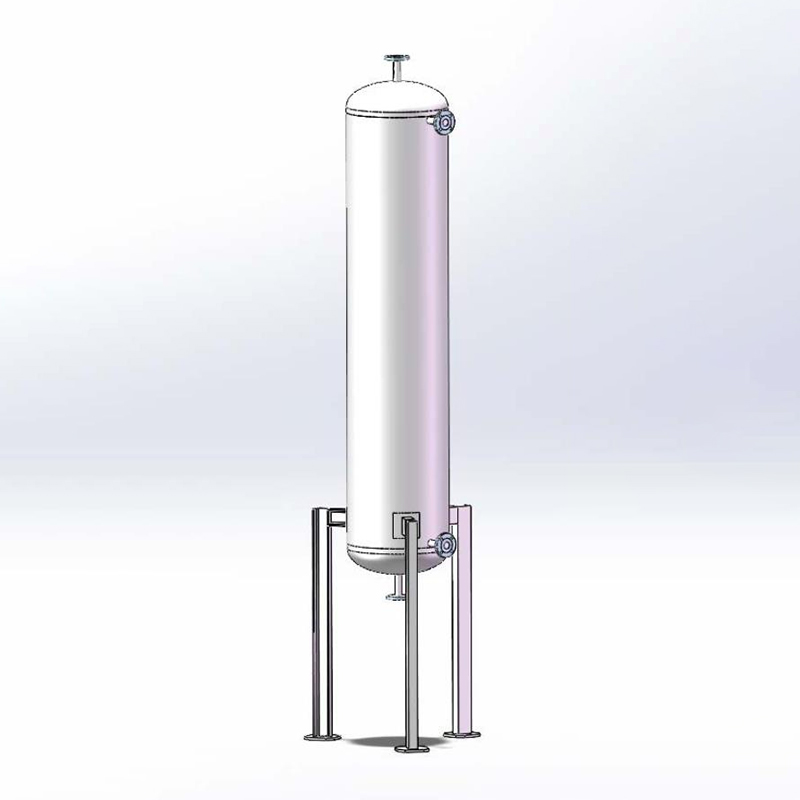
Vertical small tank for acid and alkaline reagents
Product Description Vertical Small Tank for Acid and Alkaline Reagents...


